Mass 250: How to Finance Your Massachusetts ADU With Up to $250,000
For many Massachusetts homeowners, building an accessory dwelling unit (ADU) can solve several problems at once: create space for family, generate rental income, increase flexibility, and add long-term value to the property. The challenge is often not the vision, it is organizing the project so that a lender can understand, evaluate, and finance it.
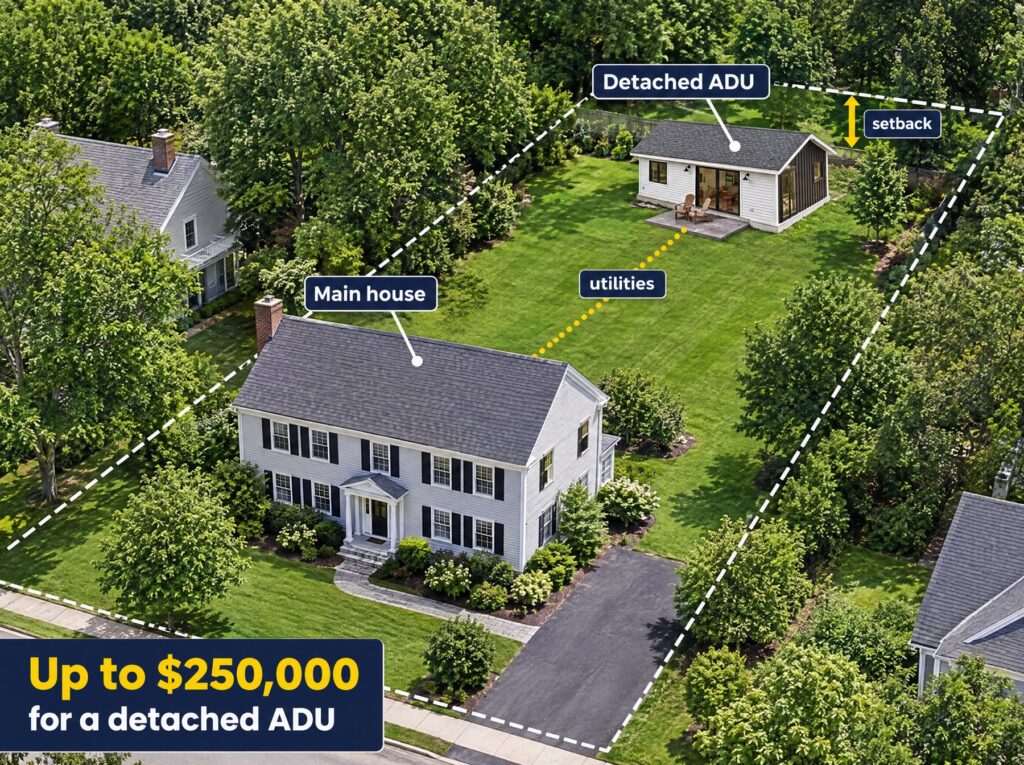
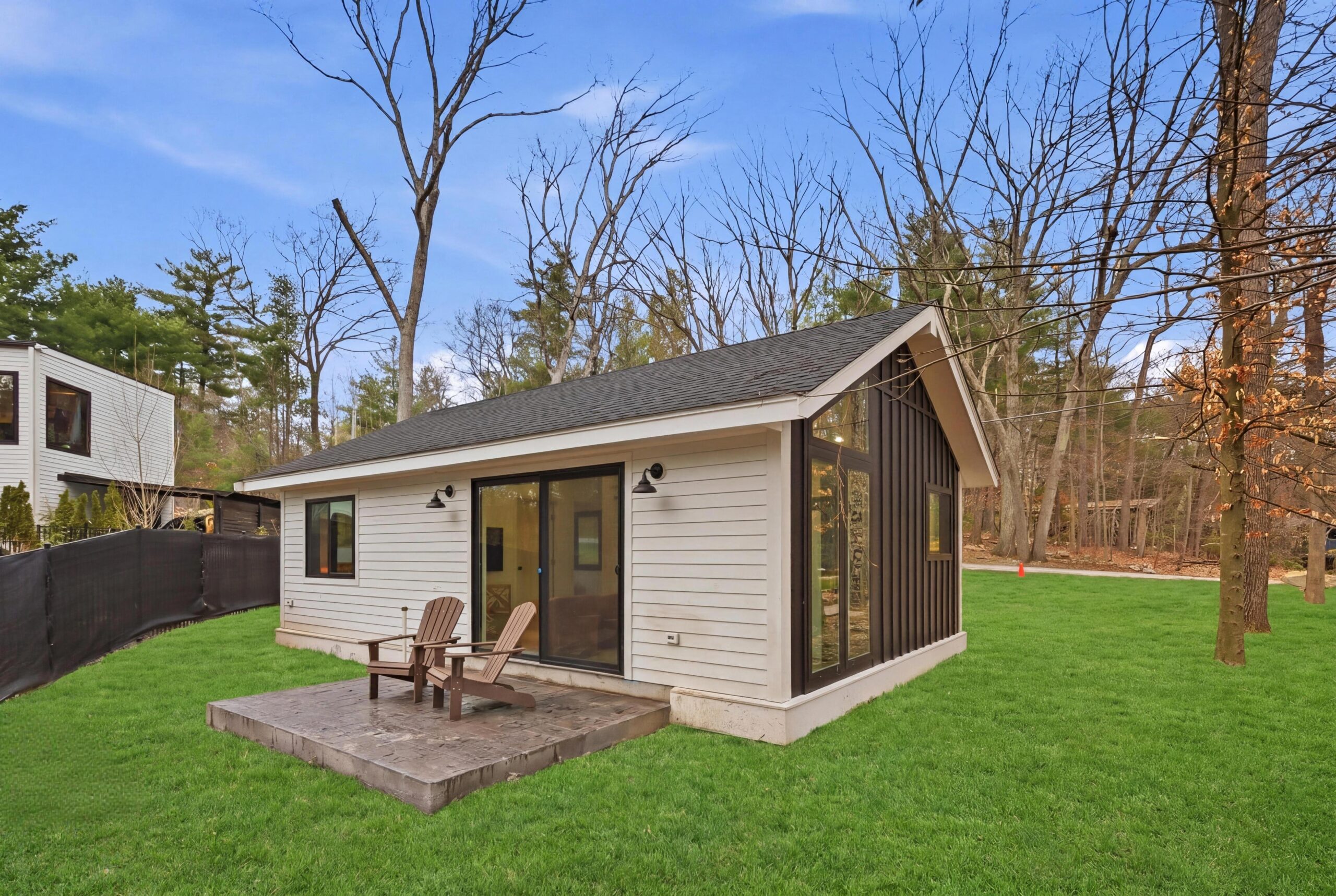
You have the backyard. You have the plan: a cottage for Mom, a rental that helps cover the mortgage, or a place for your grown kids to land. What stops most Massachusetts homeowners isn’t the idea. It’s the financing.
That just got easier. MassHousing’s ADU loan program can finance up to $250,000 for a detached ADU. At Mass Tiny Homes, we call our path to it Mass 250: we prepare the plans, budget, schedule and paperwork a lender needs, so your application shows up complete.
Here’s how it works, who qualifies, and what to have ready before you apply.
What is the MassHousing ADU loan?
It’s a state-backed second mortgage built for one purpose: paying to build an ADU on your property. Loans are offered through MassHousing-approved partner lenders.
$250,000
Detached ADU
Backyard cottage, converted detached garage
$150,000
Attached ADU
Addition, in-law suite
The loan pairs a regular, interest-bearing portion with an extra zero-interest, deferred portion. That combination lowers your effective rate and can stretch how much you’re able to borrow.
One thing to know up front: lenders don’t hand out a lump sum for an idea. They want to see a real project, with plans, permits or permit-ready documents, a realistic budget and a qualified builder behind it. That’s exactly where Mass 250 comes in.
Rates, repayment terms, income limits and loan-to-value rules can change. Always confirm current terms with the participating lender before you apply.
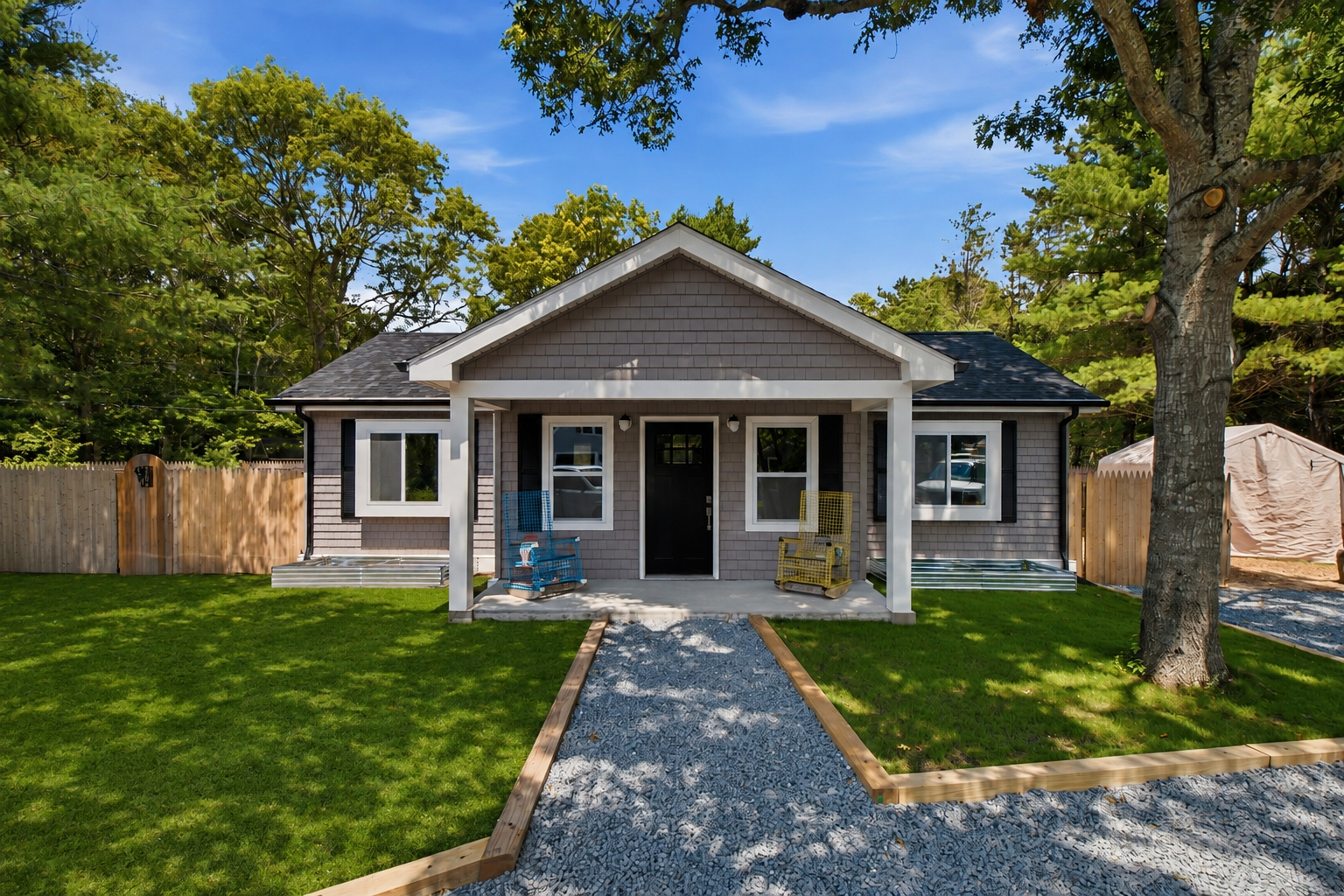
A detached ADU can qualify for up to $250,000.
Do you qualify? Start with these 5 checks
Before you spend time on an application, make sure you can say yes to all five:
1. You own a single-family home in Massachusetts.
2. That home is your primary residence.
3. Your household income is within the limit for your town or city.
4. The unit you want to build qualifies as an ADU.
5. Construction hasn’t started yet. Projects that break ground before the loan closes aren’t eligible.
Passing these checks gets you in the door, but it isn’t an approval. The lender will still review credit, debt-to-income, appraisal, reserves and loan-to-value.
Why your builder can make or break the loan?
A strong ADU application depends on more than your credit score. The lender also has to understand the project: what’s being built, where, whether it’s allowed, what it costs and how construction will run.
Your plans, budget, contract and loan amount all need to tell the same story. A vague lump-sum estimate or half-finished plans raise questions, and questions mean delays.
That’s why Mass 250 is built around the builder’s side of the paperwork. For your project, Mass Tiny Homes helps put together:
- Final or near-final architectural plans
- Building, zoning and utility approvals
- Design, engineering, survey and permit costs
- A contingency allowance
- A payment or construction-draw schedule
- References from similar projects
- Site or plot plans
- A detailed construction estimate
- Site work, utilities, appliances and fixtures
- A scope of work and construction schedule
- Builder license and insurance documents
We’ve spent 15+ years in construction, real estate and development, and we build stick-built ADUs on permanent slab foundations. Lenders see a real, permanent home, not a guess.
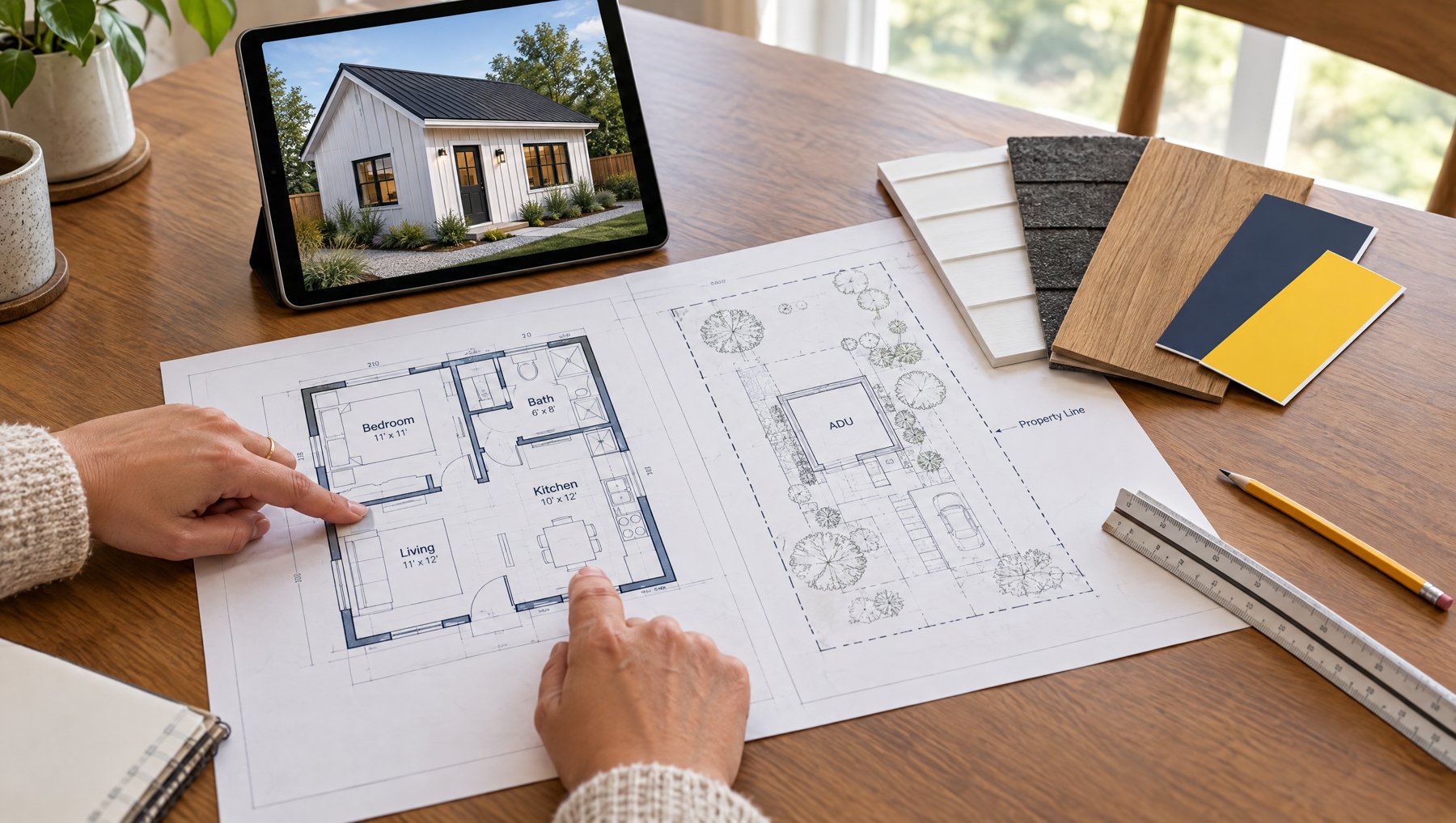
Every Mass 250 project starts with plans built around your lot.
Get permit-ready before you apply
The MassHousing loan is meant for homeowners who already have designs and permits in hand, or are close. Getting ready first is the single best way to strengthen your request. Aim to have:
- Final or near-final architectural plans
- Zoning and building approvals
- A building permit or permit-ready documents
- A site or plot plan
- Utility plans for water, sewer or septic, electrical and heating
- Conservation, historic-district or other special approvals, if they apply to you
Our permit team handles the process from plan submission to approval. You just cover the permit approval fee.
Build a budget that holds up
The lender looks at the whole project, not just the house. A realistic budget covers construction and labor, design and engineering, survey and permits, utility hookups, site prep, appliances and fixtures, and a contingency.
If the project costs more than the loan, you’ll need to show how you’ll cover the gap, with savings or another approved source. The goal isn’t to make the project look cheap. It’s to make it believable, so there are no surprises in underwriting or on the job site.
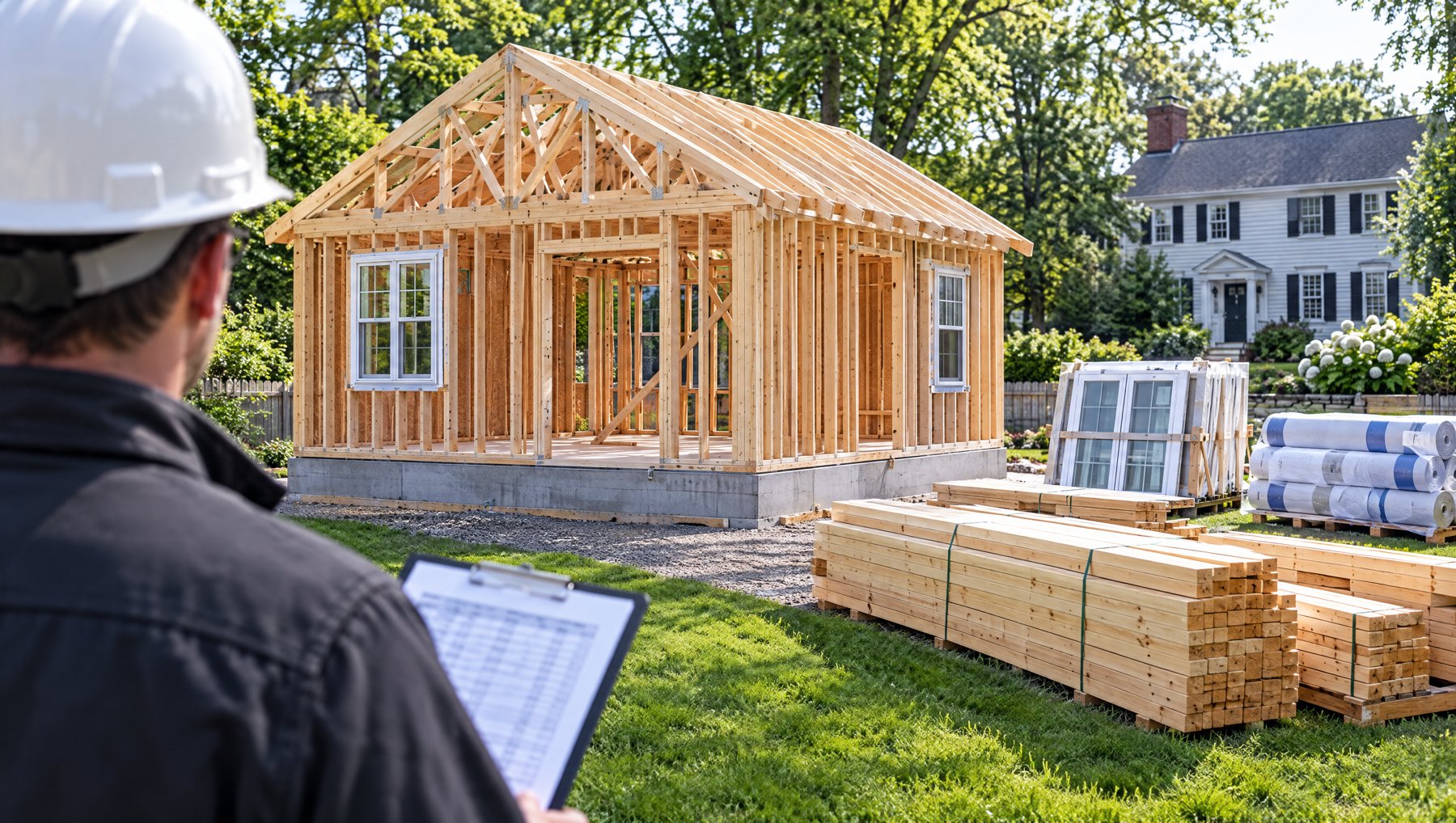
Quality materials and a realistic budget go hand in hand.
What the builder contract should show
Mass Tiny Homes provides a signed or application-ready contract that spells out:
- The builder’s legal name and registration or license
- A detailed scope of work
- Expected start and completion dates
- Payment terms or a construction-draw schedule
- Insurance documentation
- References from comparable projects
This tells the lender who’s responsible, what’s included, and how each stage gets inspected and paid for.
Your homework: gather these documents early
While we prepare the project package, pull together your own paperwork. Lenders commonly ask for:
- Recent tax returns, W-2s or 1099s
- Bank and investment statements
- Homeowners insurance details
- Statements for any other debts
- Pay stubs or other proof of income
- Your current mortgage statement
- Property tax information
- Proof of funds above the loan amount
Having these ready cuts the back-and-forth and keeps your application moving.
8 questions to ask your lender before you apply
Terms depend on your household and your town, so confirm these with the participating lender first:
1. What’s the current interest rate and repayment structure?
2. How do the regular and zero-interest deferred portions work?
3. What income limit applies to my household and town?
4. What combined loan-to-value limit applies?
5. What credit score and debt-to-income ratio do I need?
6. Is an appraisal required?
7. What closing costs and reserves will I need?
8. How do construction draws and inspections work?
Passing these checks gets you in the door, but it isn’t an approval. The lender will still review credit, debt-to-income, appraisal, reserves and loan-to-value.
See an ADU on your property
Mass 250 works best when financing and construction are planned together. We can’t promise loan approval, since the lender makes that call. But you can walk in with an eligible property, a permit-ready project, a believable budget and your documents in order.
Mass 250 lender contacts
Reach out to confirm current program terms for your household and property.
Justin DeMarco
AVP, Commercial & Residential Loan Officer
- NMLS #2062745
- Office: 781-481-5801
- Email: justin.demarco@stonehambank.com
Tyler Hanlon
AVP, Mortgage Originator
- NMLS #2192998
- Office: 781-481-5797
- Email: tyler.hanlon@stonehambank.com
Having these ready cuts the back-and-forth and keeps your application moving.
Program availability, loan amounts, interest rates, repayment terms, eligibility and underwriting standards may change. This article is for general information only. It is not a commitment to lend, a guarantee of approval, or legal, tax or financial advice. Confirm current requirements with the participating lender and program administrators. Program details: MassHousing ADU Loan Program.